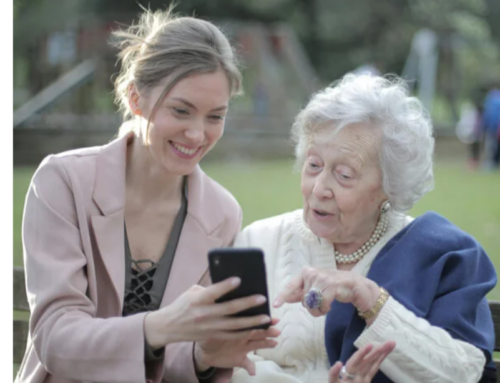
Adult children often worry about their aging parents and relatives, especially if they live far away and are not available to help. A conversation about this might go like this, “Mom, since dad died, I’ve been worried about you living alone. Do you think you should move in with Mark and I and the kids?”

Know when your aging parents or grandparent can no longer live alone.
For the aging relative, there is a fear of losing independence. As I also hear from most of my clients, they do not want to be a burden to their loved ones.
But of course, they need help from time to time. As they age, the body and mind may both decline so the need for assistance increases. The key is to begin conversations about your parents aging well before a problem arises. It will be easier for them to make decisions when they are not on the spot, feel relaxed and have plenty of time ahead of them. You both will become more comfortable about discussing concerns and ideas and make plans you both agree on. Of course, circumstances change, and we cannot always foresee them.
Here are some key things to watch out for:
- A fall
- Memory lapses or confusion
- A serious health concern or diagnosis
- Depression/not doing things normally done
- He/She has lost weight
- Mail is unopened/bills are unpaid
- Their home is messy
Falls
The first fall is a serious matter whether they agree or not. If they were not taken to the hospital, a doctor visit is essential. Look for a geriatric practitioner or see a physical therapist – they can give your parent a STEADI test. Your parent may take a doctor’s recommendation for a walker or cane more seriously than yours. There are many fall alert devices on the market now, including an apple watch. Anyone over 60 who has had a fall should be wearing one of these. If your parent doesn’t want to tell you about falls, check them for scrapes or bruises.
Memory Lapses/Confusion
Not all memory loss is a sign of dementia. There are physical illnesses that can cause cognitive issues. Stress, worry and normal aging can also cause some memory loss. It’s a good idea to start attending your parents doctor visits as they get older. You can convey a perspective that they might not be aware of or things they may forget to tell their doctors. If you are not able to attend, ask them to sign a release so that you may speak with the doctor. Let them and their doctors know you have questions regarding their health and aging. Assure them you are not trying to take over their life or believe they are incompetent, but that you have worries they can help YOU with by letting you into these conversations.
Health
Aging does not necessitate poor health. The body does wear down but can remain in good health. The better we take care of ourselves when we are younger, the better our health can be as we age. A diagnosis of a serious illness is likely an indication mom or dad needs help at home. There may be medications to take, specific diets, doctor appointments, vitals, blood sugar, weight or other daily health checks that need to be done. It’s a lot to manage alone.
Depression
When one parent dies, the other often becomes depressed. This is not the same as grief which is natural. Some doctors prescribe antidepressants to their elderly patients when a death occurs simply because it is so common for depression to occur. If your remaining aging parent is sleeping more and doing less of the hobbies he normally enjoys, its time for a doctor or counseling visit. Companionship in the home can really help brighten up their days.
Weight
Weight loss is normal for most aging adults. However it may also be a sign she is not getting proper nutrition or he is not buying groceries. This is time for a conversation and review of the refrigerator and pantry.
Messy home/unpaid bills
If you start to see piles of unopened mail a review of your parent’s banking account and household bills is needed. You can do this together if your parent is resistant to this help. It may be time for you or a caregiver to take over paying necessary bills. Likewise, piles of laundry, dishes or dusty furniture shows they are unable to keep up with household tasks.
Some aging people may already know of an assisted living place where a friend has gone or that just appeals to them. This can be a great way to transition to a more communal environment with increasing levels of care available to them. They can be very expensive, however, and not everyone likes them or wants to live their later years this way.
Recent polls show that most people over 65 wish to remain in their own home and even pass away at home versus a hospital.
A home care service can usually provide as few or as many hours of assistance as you and your loved one would like or need. Here is a list of services they may provide:
- Companionship
- Transportation
- Cooking and meal prep
- Laundry
- House keeping
- Checking vitals
- Medication oversight or management
- Assistance with bathing, dressing or toileting
- Memory care
- Pet care
- Grocery shopping/errands
- Medical advocacy
A home caregiver can keep an eye on things in the refrigerator or pantry and throw away what is old, so it is not accidentally eaten. She can engage her client in playing cards or working a puzzle or going out for walks. Someone who sees your parent regularly will notice if a new medication is having a bad effect. He will see any bruises or cuts and find out the source and administer first aid. They can also source a visiting nurse, a physical therapist or hospice care if this becomes necessary.
There are many advantages to having an in-home caregiver. What begins as a four hour/twice a week visit can grow as the need grows. They often become a friend or like family. If you hire an in-home care service, ask if they are insured and if the caregivers are background checked. You may also ask what kind of training they have had.
There are other options for your aging parents or grandparents as they age. A family member can move in with them. A senior living facility or skilled nursing facility, if needed, may be an option. Be sure to visit and tour any such places and ask many questions before committing to this. Recently, many of these facilities have become grossly understaffed, overcrowded, and everything that goes along with this. Senior co-housing has begun to grow and may be an option in your area.
Whatever the best option seems to be, remember that ultimately it is your loved one’s life and decision. Be on her side and avoid opposition. Ask questions rather than giving commands unless safety is an immediate concern.